Unlock 10% Off Your First Visit!
.svg)

Bali belly is one of the most common (and unwelcome) travel experiences on the island. If you're here reading this while curled up in bed or hovering near the bathroom, know that you're not alone. It’s frustrating, uncomfortable, and sometimes confusing to manage - especially with so many opinions floating around online.
At Skin Studio, we often treat clients who’ve tried to ride it out themselves and ended up feeling worse. So let’s clear up what actually helps, what doesn’t, and when it’s time to seek help.
When symptoms hit, most people turn to Google, forums, or advice from fellow travellers. It’s understandable - you want relief, fast. But not all well-meaning tips are medically sound.
Some common self-treatments can actually delay recovery or mask symptoms that need attention. That’s why it helps to know the difference between helpful and harmful advice when it comes to treating Bali belly.
This is the single most important thing you can do. Diarrhoea and vomiting quickly deplete your body’s fluids and minerals. Sipping water is a start, but electrolyte drinks or oral rehydration salts (ORS) are far more effective. If you don’t have any on hand, even coconut water with a pinch of salt can help.
Your body needs energy to fight off infection and recover. Rest is not optional - it’s essential.
Once your appetite starts to return, stick to easy-to-digest foods. Plain rice, toast, bananas, or clear soup are good options. Avoid anything fried, spicy, dairy-based, or rich.
Some medications can ease symptoms, but timing matters. Anti-nausea medication can help if you’re struggling to keep anything down. Paracetamol may be useful for fever. But diarrhoea medication requires a bit more caution - which brings us to the next section.
It’s tempting to stop the symptoms as soon as they start, especially if you’re meant to be out exploring. But medications like loperamide can trap bacteria in your gut if taken too soon. If you have a fever or notice blood in your stool, avoid these entirely and speak to a professional.
Trying to eat normally can backfire. Spicy meals, heavy fats, caffeine, and alcohol will only irritate your gut further. Give your digestive system a chance to settle.
Even mild dehydration can make you feel lightheaded, foggy, and exhausted. Severe dehydration, especially in Bali’s heat, can be dangerous. If you’re struggling to drink fluids, it’s time to seek help.
Many cases of Bali belly resolve on their own. But if things aren’t improving within a few days - or you’re feeling worse - pushing through might not be the best approach.
You don’t need to run to a clinic at the first sign of symptoms. But you should get help if:
If you’re struggling to drink, or need to feel better fast, an IV infusion can be a safe, effective solution.
At Skin Studio, we offer medically supervised IV therapy for food poisoning and dehydration. Our Bali belly drip includes:
It’s a gentle but fast-acting way to stabilise your system, especially if you can’t take oral medication or fluids. You can receive your treatment in our calm, clean clinic in Canggu, or request an at-home visit if you’re too unwell to travel.
We’ll talk you through the process, explain everything clearly, and only proceed if the treatment is right for you.
Bali belly is never fun - but with the right care, it doesn’t need to ruin your trip. If you’re unsure whether to wait or act, our team is here to offer honest, medical guidance.
Message us on WhatsApp for advice or to book a same-day IV treatment.
Bali belly is one of the most common (and unwelcome) travel experiences on the island. If you're here reading this while curled up in bed or hovering near the bathroom, know that you're not alone. It’s frustrating, uncomfortable, and sometimes confusing to manage - especially with so many opinions floating around online.
At Skin Studio, we often treat clients who’ve tried to ride it out themselves and ended up feeling worse. So let’s clear up what actually helps, what doesn’t, and when it’s time to seek help.
When symptoms hit, most people turn to Google, forums, or advice from fellow travellers. It’s understandable - you want relief, fast. But not all well-meaning tips are medically sound.
Some common self-treatments can actually delay recovery or mask symptoms that need attention. That’s why it helps to know the difference between helpful and harmful advice when it comes to treating Bali belly.
This is the single most important thing you can do. Diarrhoea and vomiting quickly deplete your body’s fluids and minerals. Sipping water is a start, but electrolyte drinks or oral rehydration salts (ORS) are far more effective. If you don’t have any on hand, even coconut water with a pinch of salt can help.
Your body needs energy to fight off infection and recover. Rest is not optional - it’s essential.
Once your appetite starts to return, stick to easy-to-digest foods. Plain rice, toast, bananas, or clear soup are good options. Avoid anything fried, spicy, dairy-based, or rich.
Some medications can ease symptoms, but timing matters. Anti-nausea medication can help if you’re struggling to keep anything down. Paracetamol may be useful for fever. But diarrhoea medication requires a bit more caution - which brings us to the next section.
It’s tempting to stop the symptoms as soon as they start, especially if you’re meant to be out exploring. But medications like loperamide can trap bacteria in your gut if taken too soon. If you have a fever or notice blood in your stool, avoid these entirely and speak to a professional.
Trying to eat normally can backfire. Spicy meals, heavy fats, caffeine, and alcohol will only irritate your gut further. Give your digestive system a chance to settle.
Even mild dehydration can make you feel lightheaded, foggy, and exhausted. Severe dehydration, especially in Bali’s heat, can be dangerous. If you’re struggling to drink fluids, it’s time to seek help.
Many cases of Bali belly resolve on their own. But if things aren’t improving within a few days - or you’re feeling worse - pushing through might not be the best approach.
You don’t need to run to a clinic at the first sign of symptoms. But you should get help if:
If you’re struggling to drink, or need to feel better fast, an IV infusion can be a safe, effective solution.
At Skin Studio, we offer medically supervised IV therapy for food poisoning and dehydration. Our Bali belly drip includes:
It’s a gentle but fast-acting way to stabilise your system, especially if you can’t take oral medication or fluids. You can receive your treatment in our calm, clean clinic in Canggu, or request an at-home visit if you’re too unwell to travel.
We’ll talk you through the process, explain everything clearly, and only proceed if the treatment is right for you.
Bali belly is never fun - but with the right care, it doesn’t need to ruin your trip. If you’re unsure whether to wait or act, our team is here to offer honest, medical guidance.
Message us on WhatsApp for advice or to book a same-day IV treatment.
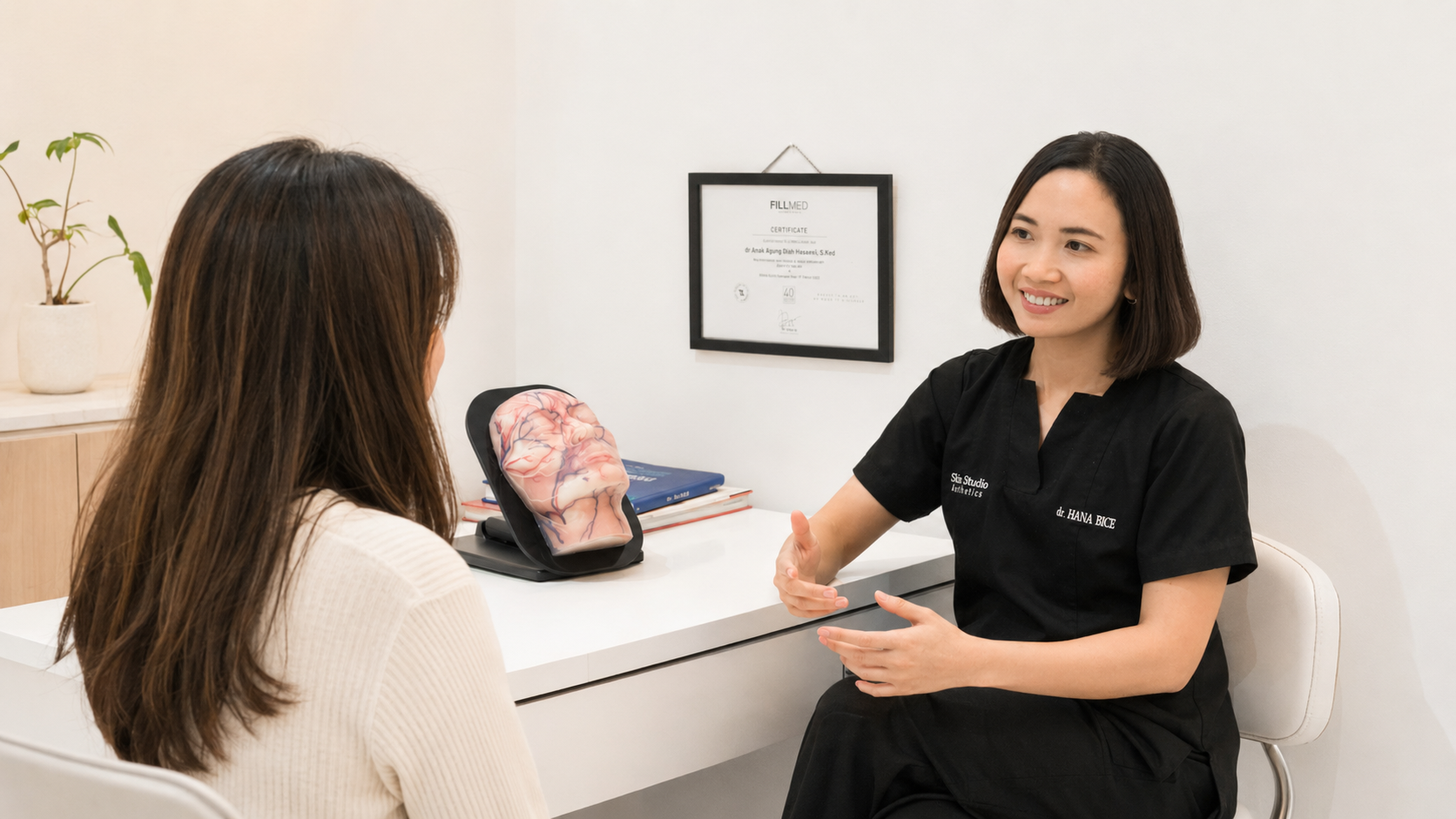
Not sure which treatment is right for you? Book a complimentary consultation and we'll assess your skin, talk through your concerns and recommend what makes sense for you.
Book A Complimentary Skin Consultation
Skin Studio is a doctor-led aesthetics and dermatology clinic in Bali. Our approach is personal, precise and grounded in honest medical advice.
Talk through your concerns and receive clear recommendations, with no pressure to proceed.
Book Your Free ConsultationDiscover Skin Studio →.png)
Discover the perfect balance of how aesthetic treatments can enhance skin health and beauty at Skin Studio Aesthetics. Your beauty journey begins here.


