Unlock 10% Off Your First Visit!
.svg)
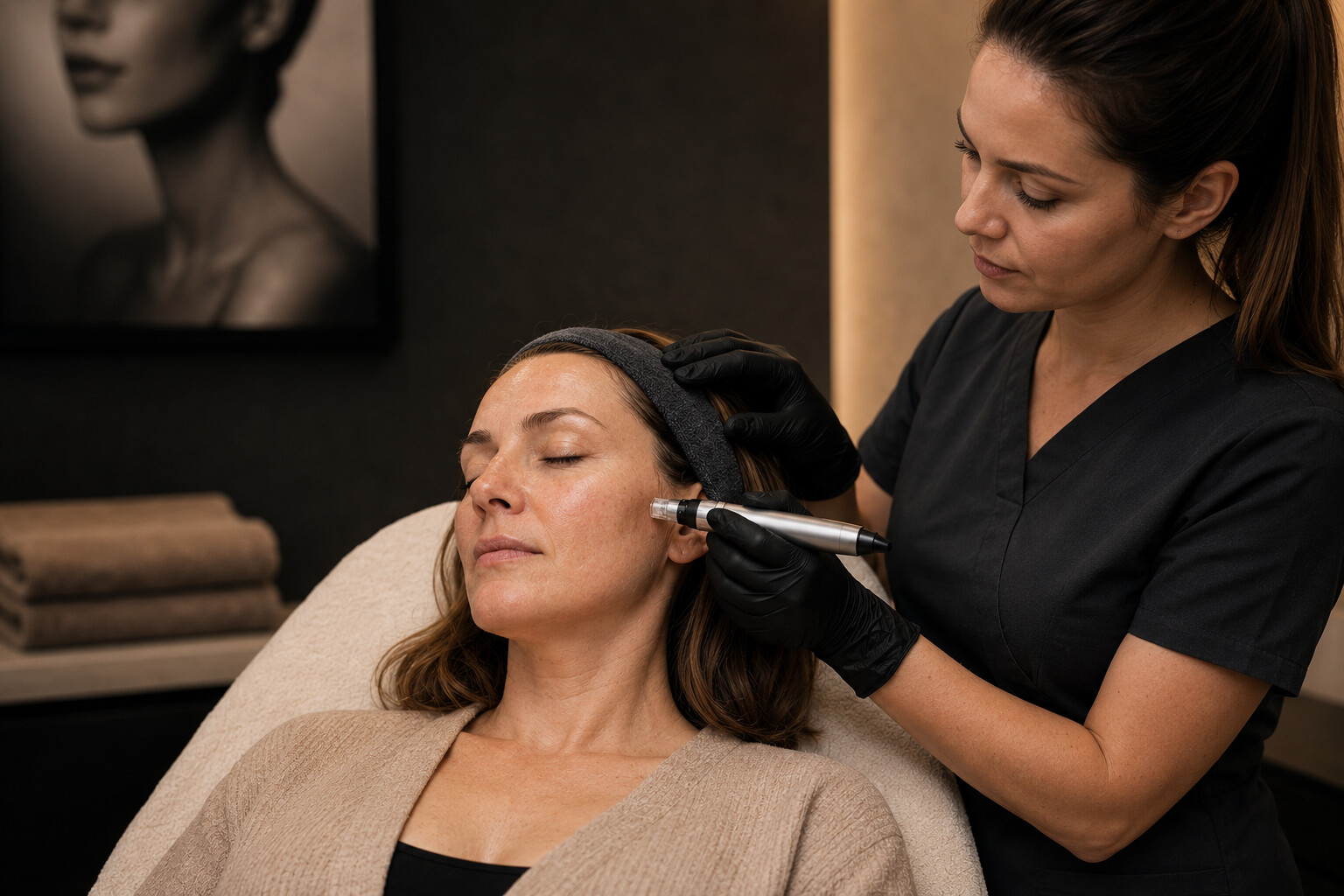
For many people, an initial microneedling treatment plan involves approximately three to six sessions, commonly spaced around four to six weeks apart. That isn't a rule for everyone. The number of microneedling sessions you need depends on what you're treating, how established the concern is, your skin and how it responds.
One session can still be worthwhile, particularly for general skin quality and texture. Concerns such as acne scarring, deeper textural changes or pigmentation usually need a more considered course because the collagen response we're trying to stimulate develops gradually.
Microneedling works by creating controlled microchannels within the skin, which trigger a natural repair response and stimulate collagen and elastin production.
Collagen remodelling takes time. Your skin continues responding after you leave the clinic, so the final benefit of an appointment isn't something we can assess the following morning.
When several treatments are recommended, each appropriately timed session creates another controlled repair cycle. Over time, those responses build on one another. This is also why having more microneedling more frequently isn't necessarily better.
If you're still deciding whether the treatment is right for you, read more about what microneedling does and its benefits.
One microneedling session can absolutely be worthwhile. Whether it's enough depends on what you want the treatment to achieve.
Someone interested in maintaining good skin quality, improving mild texture or simply seeing how their skin responds may notice a worthwhile improvement after an individual session.
If we're treating something more established, such as acne scarring or significant textural irregularity, one treatment is unlikely to deliver the full result we're looking for. Improving the structure of the skin takes time, and some concerns need more than one repair cycle to create a meaningful change.
There isn't one ideal number for every concern, but what we're treating gives us a useful starting point.
If your goal is smoother texture, better overall skin quality or support for early signs of ageing, a relatively short initial course may be appropriate. We can then review how your skin has responded rather than automatically continuing treatment.
Acne scarring generally requires several sessions because we're trying to stimulate collagen within and around established scar tissue. The number depends on the type, depth and extent of the scarring. Active acne may need to be managed first through doctor-led acne treatment.
Research on microneedling for acne scarring supports its use, but protocols vary and improvement is progressive rather than an erasure of the scar.
Microneedling can make enlarged pores appear less prominent by improving collagen support and the texture of the surrounding skin. It doesn't physically close pores. Oil production, congestion, acne and changes in skin firmness can all contribute.
Fine lines and early textural ageing usually respond gradually because the benefit comes from new collagen and improved skin support. Several sessions may therefore be recommended for a more established improvement.
Post-acne marks, sun-related pigmentation and melasma are different concerns. Microneedling may form part of a plan for selected pigmentation, but it isn't automatically the right choice for every type. Explore our pigmentation treatment options.
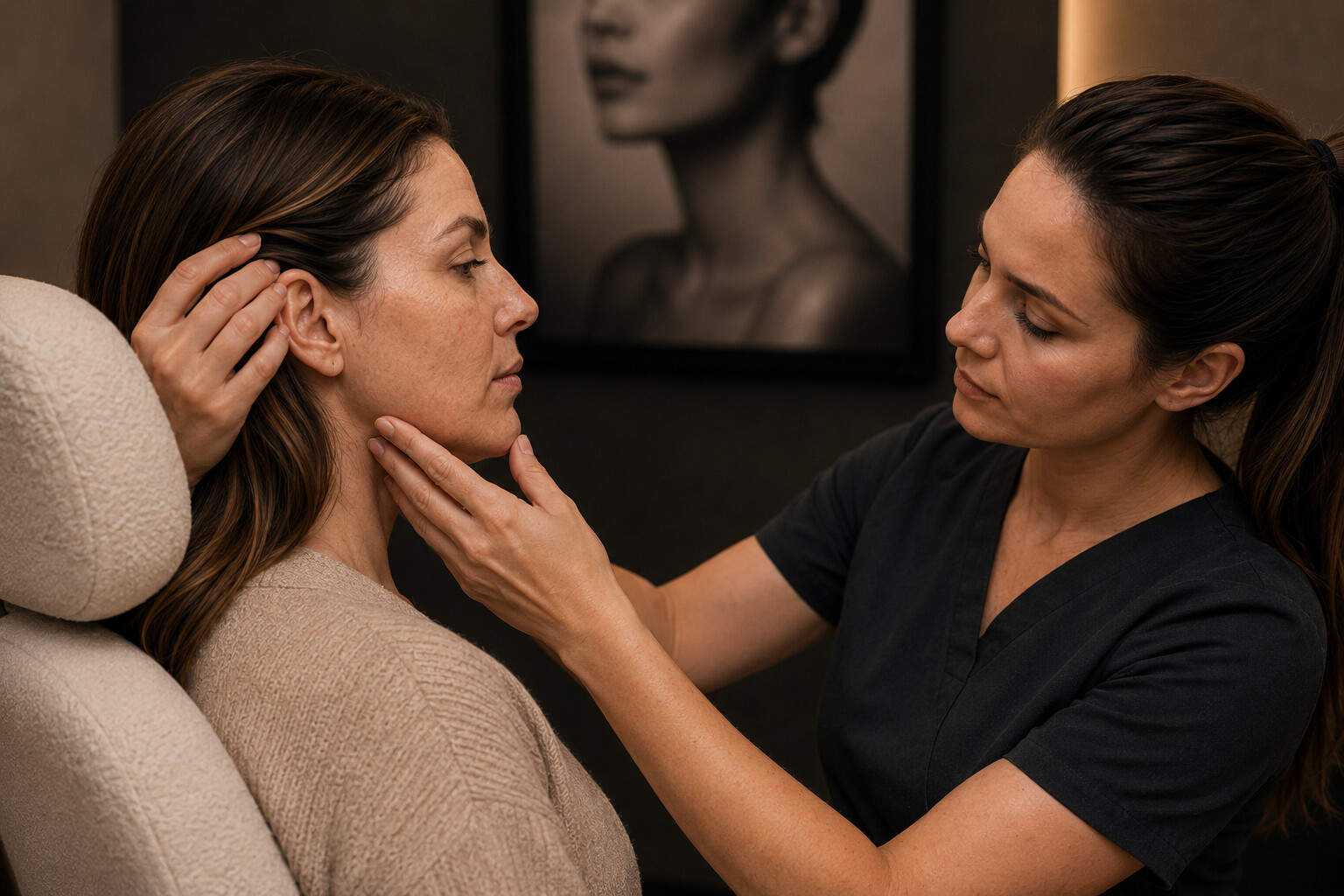
Professional microneedling sessions are commonly spaced around four to six weeks apart, although your practitioner may recommend a different interval depending on the treatment depth, concern and how your skin recovers.
That gap allows the initial inflammation to settle, the skin barrier to recover and collagen remodelling to progress. It also gives us the opportunity to see how your skin has responded before deciding whether anything about the next treatment should change.
Professional frequency shouldn't be confused with advice about home rollers. Professional microneedling in Bali can work at different depths and needs an appropriate recovery period.
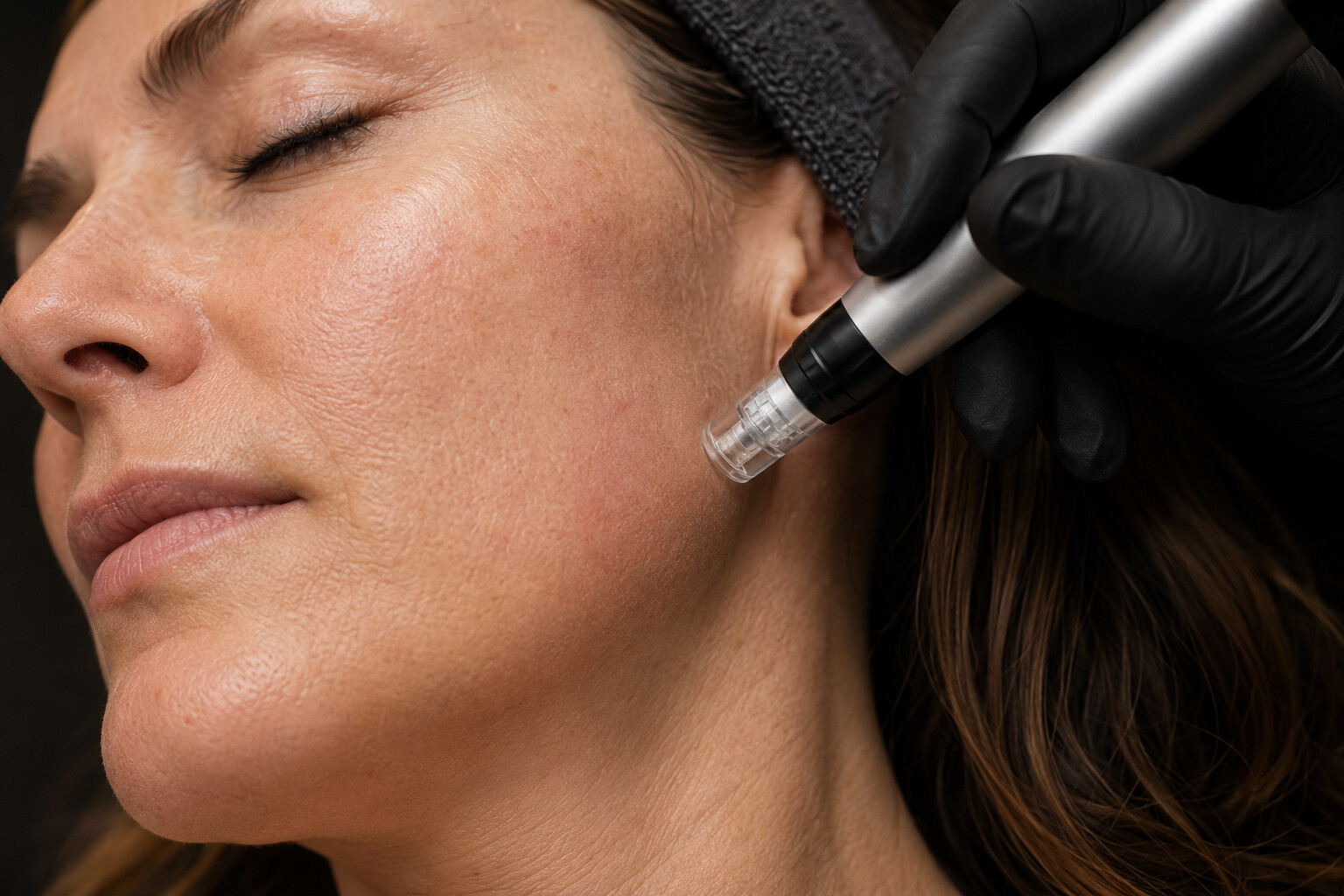
Microneedling results appear in stages rather than on one specific day. Once temporary redness and sensitivity settle, you may notice that your skin feels smoother or looks fresher.
Collagen-related changes take longer because new tissue needs time to develop and remodel. For acne scarring or more established texture, improvement tends to become progressively more apparent across a course.
We consider what you want to improve, how established the concern is, scar or pigmentation type, your current skin condition, treatment depth, recovery, previous treatments and the degree of improvement you're realistically looking for.
The plan can change as your skin changes. If you're responding particularly well, there is no benefit in treating simply to reach an arbitrary number.
Some clients choose occasional maintenance after completing an initial course, particularly when their goal is ongoing skin quality and collagen support.
There isn't one maintenance schedule for everyone. Your age, skin goals, sun exposure, other treatments and how long your initial result lasts all influence whether further treatment is useful. In Bali, consistent SPF and sensible skincare will do more to support your results than increasingly frequent treatments.
The number of sessions is only one part of a good plan. We also need to establish whether microneedling is right for you, which area we're treating, what depth is appropriate and whether another treatment would address the concern more effectively.
At Skin Studio, treatment begins with an assessment rather than selling everyone the same course. Whether you live in Bali or you're visiting, the approach is the same: understand your skin first, then decide what treatment and schedule make sense.
For many people, an initial microneedling treatment plan involves approximately three to six sessions, commonly spaced around four to six weeks apart. That isn't a rule for everyone. The number of microneedling sessions you need depends on what you're treating, how established the concern is, your skin and how it responds.
One session can still be worthwhile, particularly for general skin quality and texture. Concerns such as acne scarring, deeper textural changes or pigmentation usually need a more considered course because the collagen response we're trying to stimulate develops gradually.
Microneedling works by creating controlled microchannels within the skin, which trigger a natural repair response and stimulate collagen and elastin production.
Collagen remodelling takes time. Your skin continues responding after you leave the clinic, so the final benefit of an appointment isn't something we can assess the following morning.
When several treatments are recommended, each appropriately timed session creates another controlled repair cycle. Over time, those responses build on one another. This is also why having more microneedling more frequently isn't necessarily better.
If you're still deciding whether the treatment is right for you, read more about what microneedling does and its benefits.
One microneedling session can absolutely be worthwhile. Whether it's enough depends on what you want the treatment to achieve.
Someone interested in maintaining good skin quality, improving mild texture or simply seeing how their skin responds may notice a worthwhile improvement after an individual session.
If we're treating something more established, such as acne scarring or significant textural irregularity, one treatment is unlikely to deliver the full result we're looking for. Improving the structure of the skin takes time, and some concerns need more than one repair cycle to create a meaningful change.
There isn't one ideal number for every concern, but what we're treating gives us a useful starting point.
If your goal is smoother texture, better overall skin quality or support for early signs of ageing, a relatively short initial course may be appropriate. We can then review how your skin has responded rather than automatically continuing treatment.
Acne scarring generally requires several sessions because we're trying to stimulate collagen within and around established scar tissue. The number depends on the type, depth and extent of the scarring. Active acne may need to be managed first through doctor-led acne treatment.
Research on microneedling for acne scarring supports its use, but protocols vary and improvement is progressive rather than an erasure of the scar.
Microneedling can make enlarged pores appear less prominent by improving collagen support and the texture of the surrounding skin. It doesn't physically close pores. Oil production, congestion, acne and changes in skin firmness can all contribute.
Fine lines and early textural ageing usually respond gradually because the benefit comes from new collagen and improved skin support. Several sessions may therefore be recommended for a more established improvement.
Post-acne marks, sun-related pigmentation and melasma are different concerns. Microneedling may form part of a plan for selected pigmentation, but it isn't automatically the right choice for every type. Explore our pigmentation treatment options.
Professional microneedling sessions are commonly spaced around four to six weeks apart, although your practitioner may recommend a different interval depending on the treatment depth, concern and how your skin recovers.
That gap allows the initial inflammation to settle, the skin barrier to recover and collagen remodelling to progress. It also gives us the opportunity to see how your skin has responded before deciding whether anything about the next treatment should change.
Professional frequency shouldn't be confused with advice about home rollers. Professional microneedling in Bali can work at different depths and needs an appropriate recovery period.
Microneedling results appear in stages rather than on one specific day. Once temporary redness and sensitivity settle, you may notice that your skin feels smoother or looks fresher.
Collagen-related changes take longer because new tissue needs time to develop and remodel. For acne scarring or more established texture, improvement tends to become progressively more apparent across a course.
We consider what you want to improve, how established the concern is, scar or pigmentation type, your current skin condition, treatment depth, recovery, previous treatments and the degree of improvement you're realistically looking for.
The plan can change as your skin changes. If you're responding particularly well, there is no benefit in treating simply to reach an arbitrary number.
Some clients choose occasional maintenance after completing an initial course, particularly when their goal is ongoing skin quality and collagen support.
There isn't one maintenance schedule for everyone. Your age, skin goals, sun exposure, other treatments and how long your initial result lasts all influence whether further treatment is useful. In Bali, consistent SPF and sensible skincare will do more to support your results than increasingly frequent treatments.
The number of sessions is only one part of a good plan. We also need to establish whether microneedling is right for you, which area we're treating, what depth is appropriate and whether another treatment would address the concern more effectively.
At Skin Studio, treatment begins with an assessment rather than selling everyone the same course. Whether you live in Bali or you're visiting, the approach is the same: understand your skin first, then decide what treatment and schedule make sense.
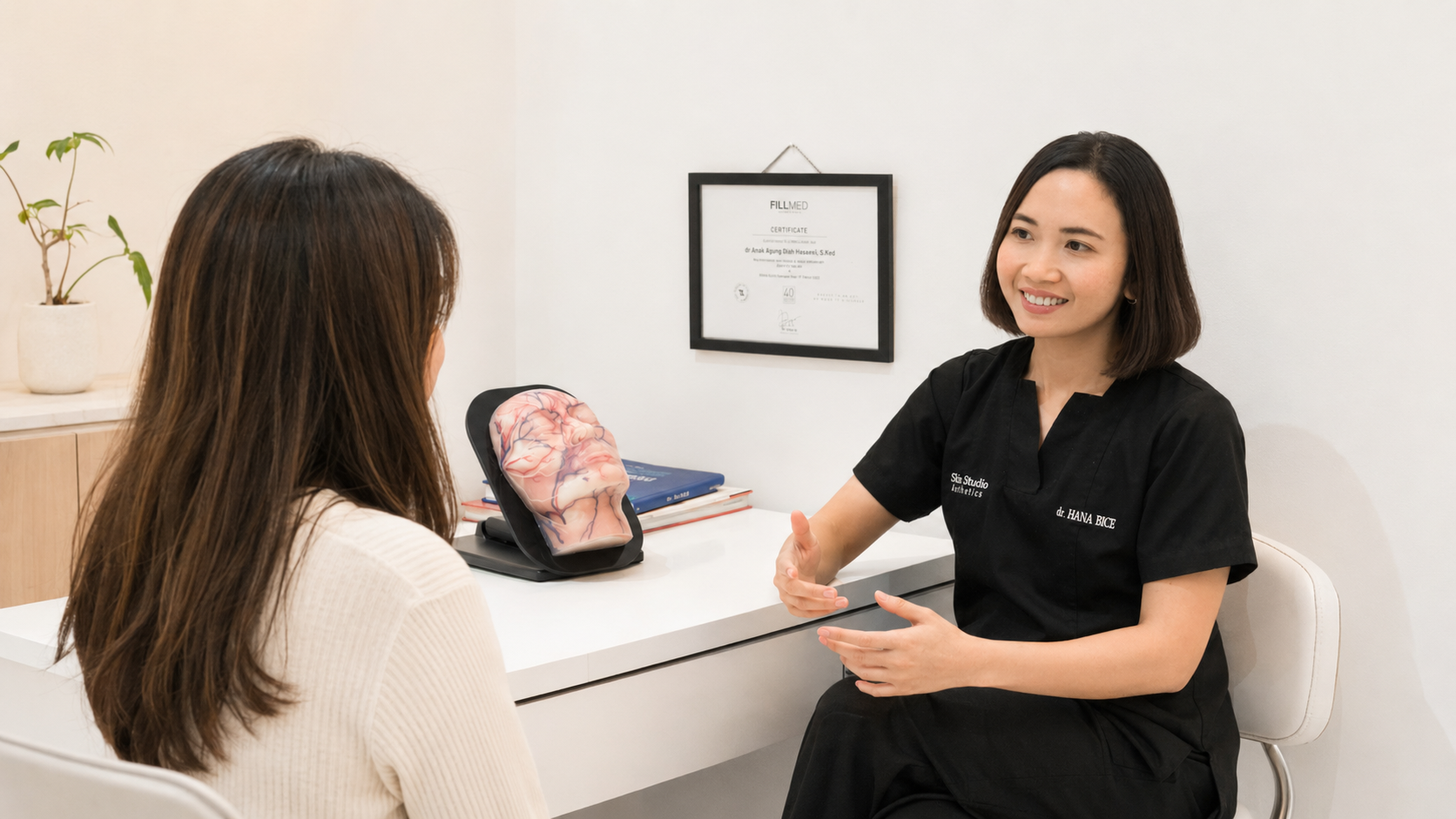
Not sure which treatment is right for you? Book a complimentary consultation and we'll assess your skin, talk through your concerns and recommend what makes sense for you.
Book A Complimentary Skin Consultation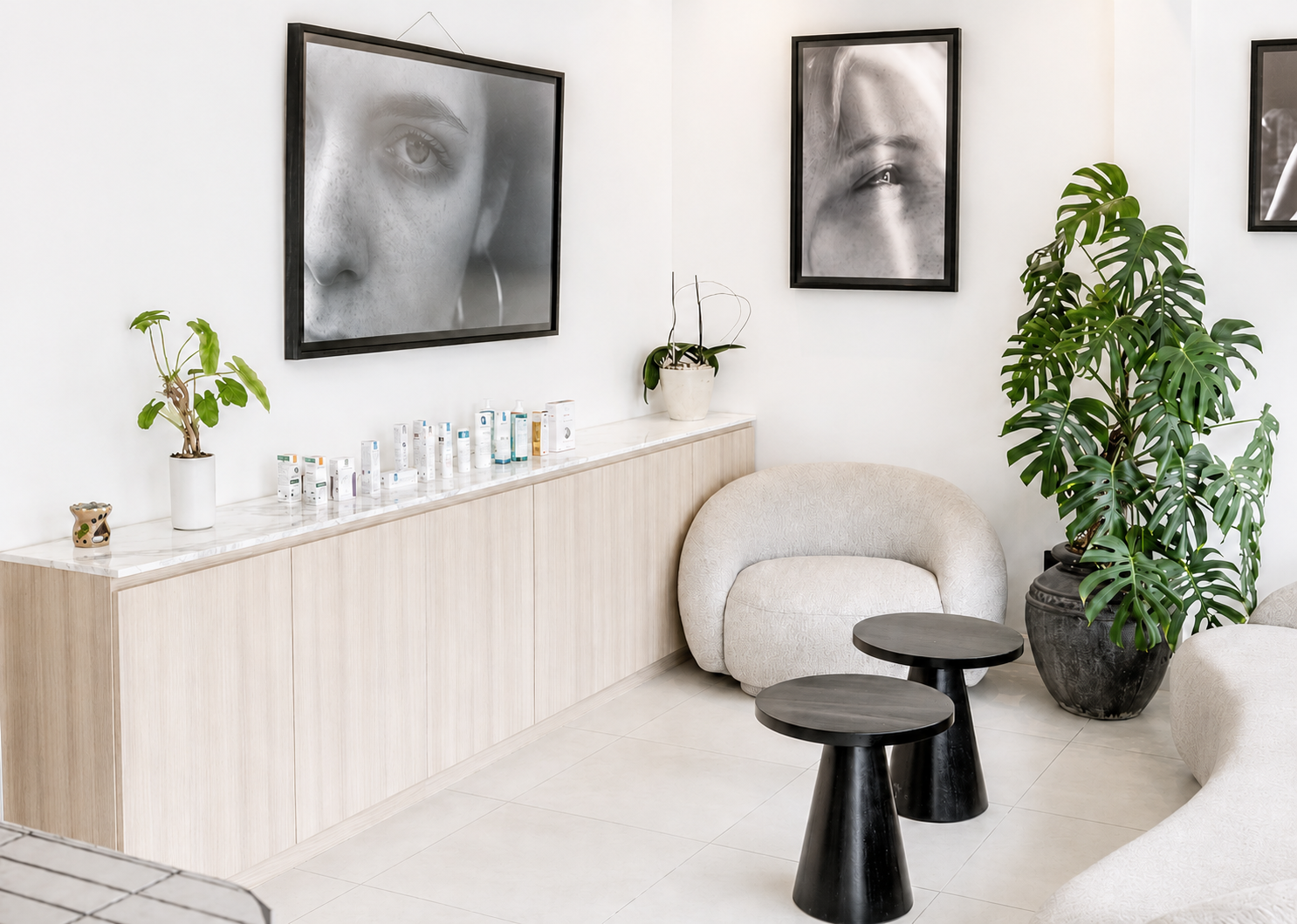
Skin Studio is a doctor-led aesthetics and dermatology clinic in Bali. Our approach is personal, precise and grounded in honest medical advice.
Talk through your concerns and receive clear recommendations, with no pressure to proceed.
Book Your Free ConsultationDiscover Skin Studio →.png)
Discover the perfect balance of how aesthetic treatments can enhance skin health and beauty at Skin Studio Aesthetics. Your beauty journey begins here.


